How to Build an Isolated Malware Analysis Lab
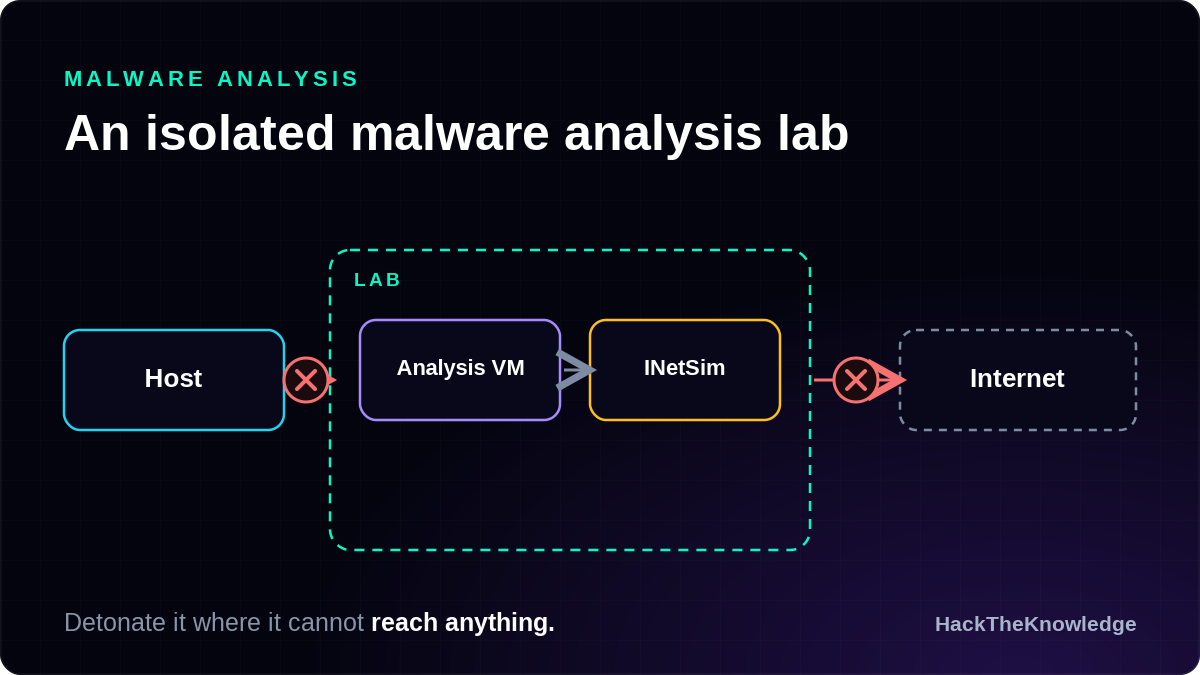
Which network mode actually isolates (and why host-only doesn't), how to simulate the internet with INetSim, and how to verify the isolation holds before you run anything.
Read articlePractical guides, threat analyses, and field notes from our instructors. Real content for practitioners.
Which network mode actually isolates (and why host-only doesn't), how to simulate the internet with INetSim, and how to verify the isolation holds before you run anything.
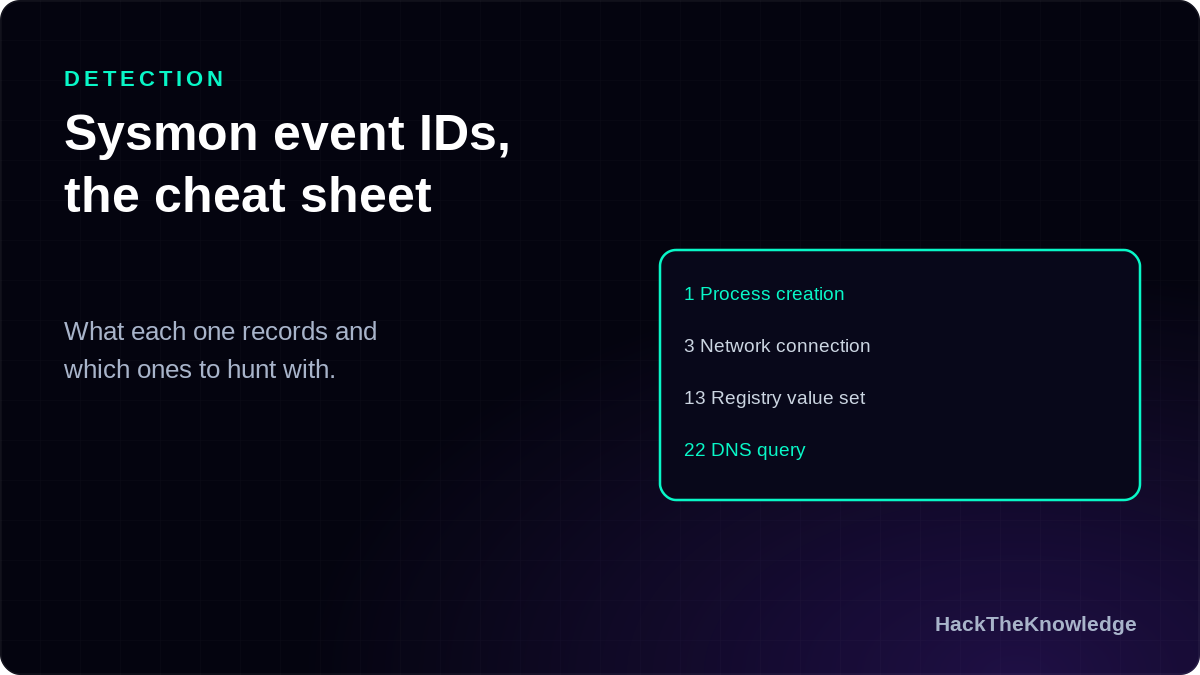
Read articleEvery Sysmon event ID in one table, what each one records, and the handful you will use in almost every hunt: process creation, network connections, registry changes and DNS queries.
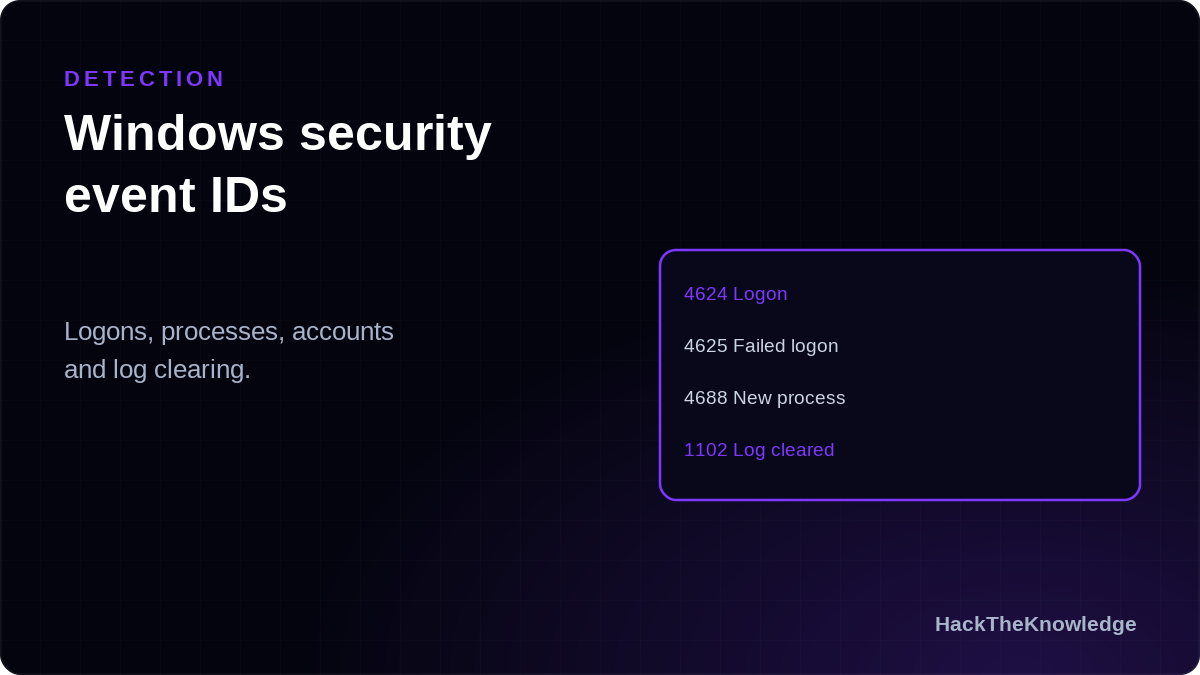
Read moreThe Windows Security log event IDs a SOC analyst checks most: logons and logon types, failed logons and their status codes, process creation, account and group changes, Kerberos and log clearing.
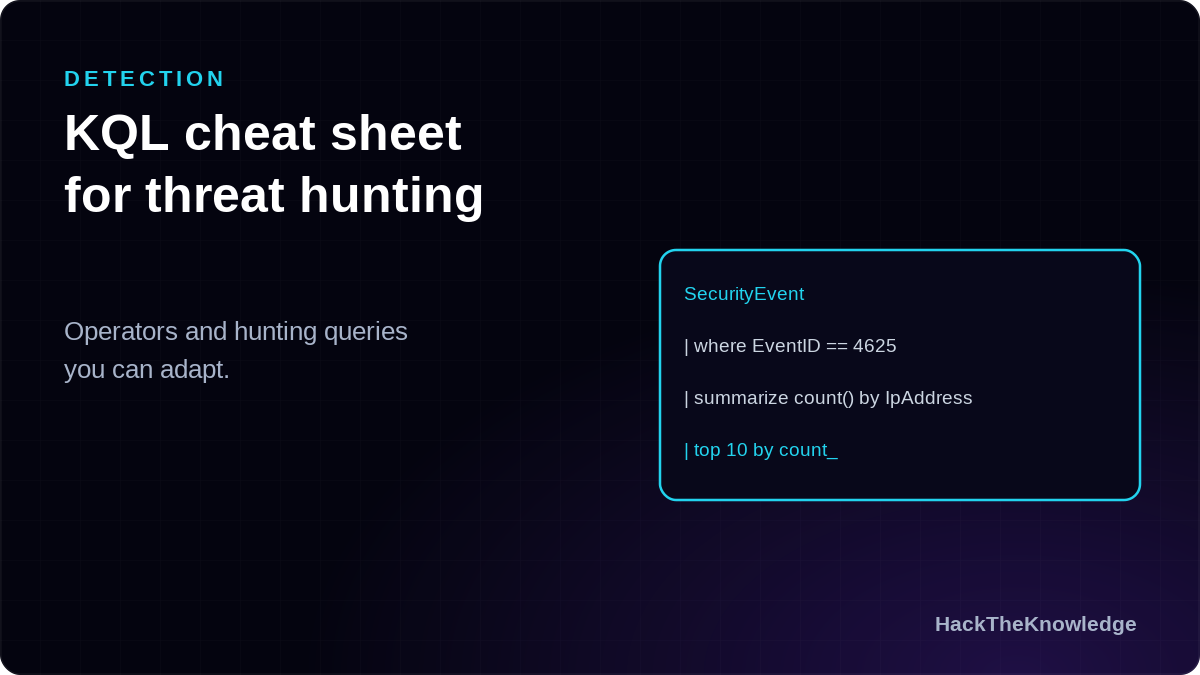
Read moreThe KQL operators you use every day in Microsoft Sentinel and Defender, explained with one line each, and a set of hunting queries you can adapt: brute force, encoded PowerShell, Office spawning shells and rare connections.
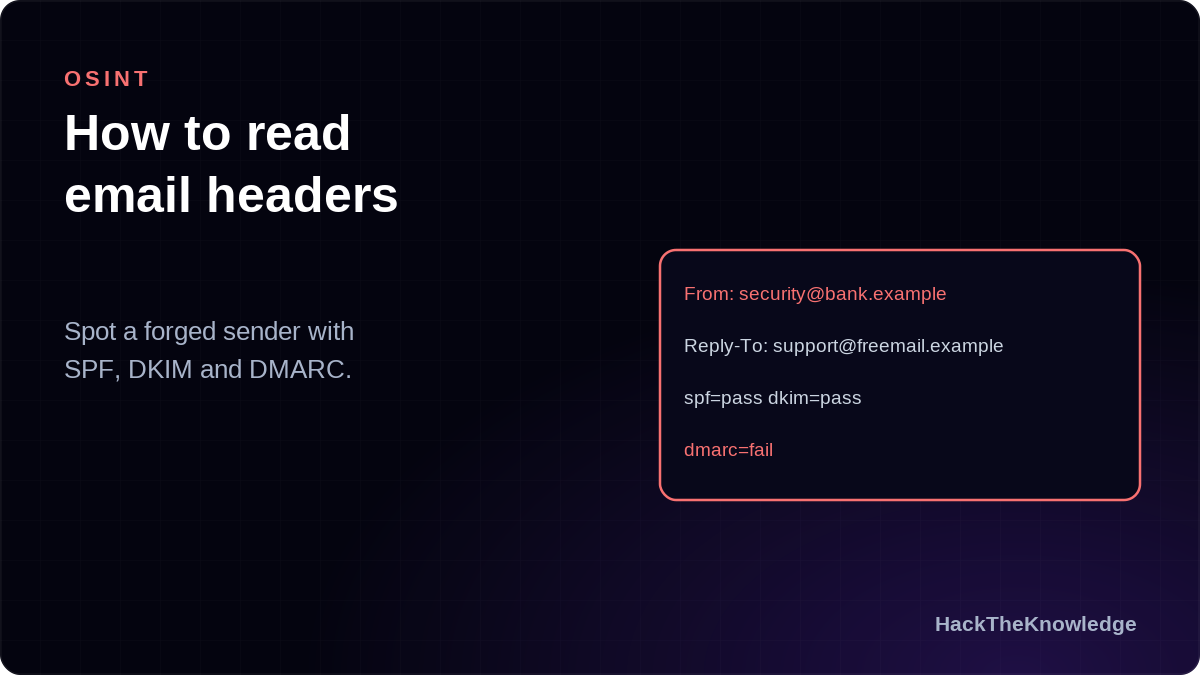
Read moreHow to read email headers step by step: where to find them, how to follow the Received chain, and how SPF, DKIM and DMARC results tell a forged sender from a real one.
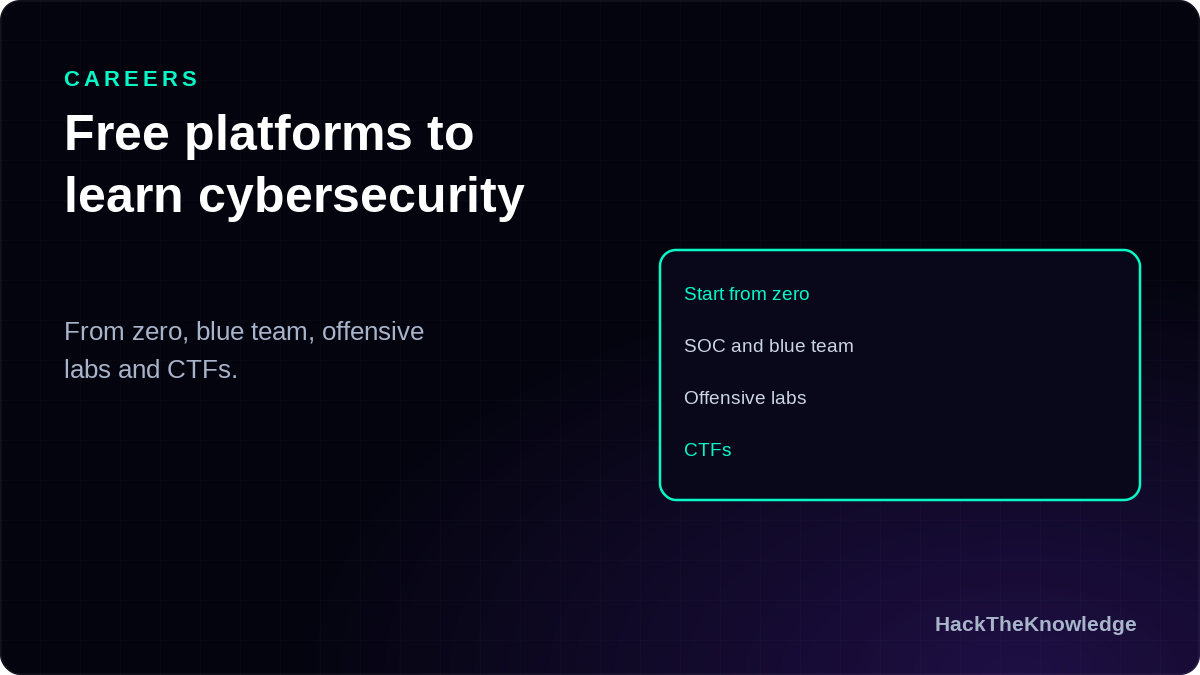
Read moreWhere to learn cybersecurity for free, organised by what you want to do: start from zero, practise blue team and SOC work, try offensive labs or compete in CTFs, with what each platform does best.
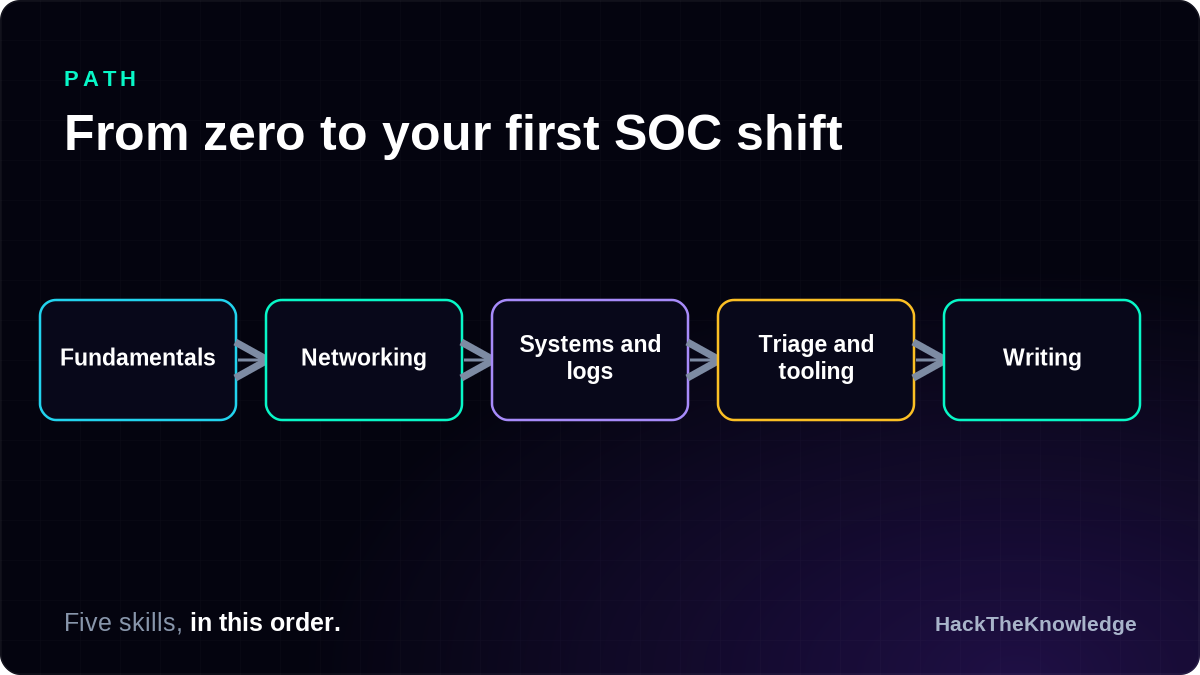
Read moreA realistic route into a first SOC job: what a Tier 1 analyst actually does all day, the five skills to build and in which order, where to practise for free, and how to prove it without work experience.
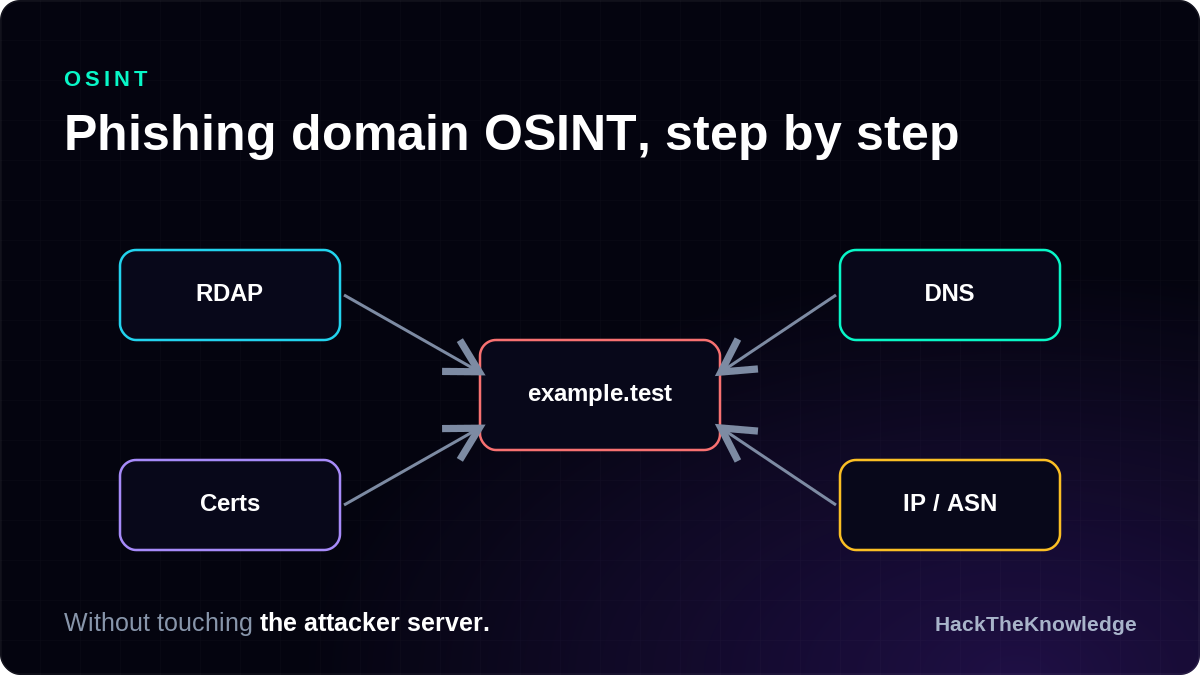
Read moreFrom a single suspicious URL to a map of the attacker's infrastructure using RDAP, Certificate Transparency, passive DNS and content fingerprints — without touching the server.
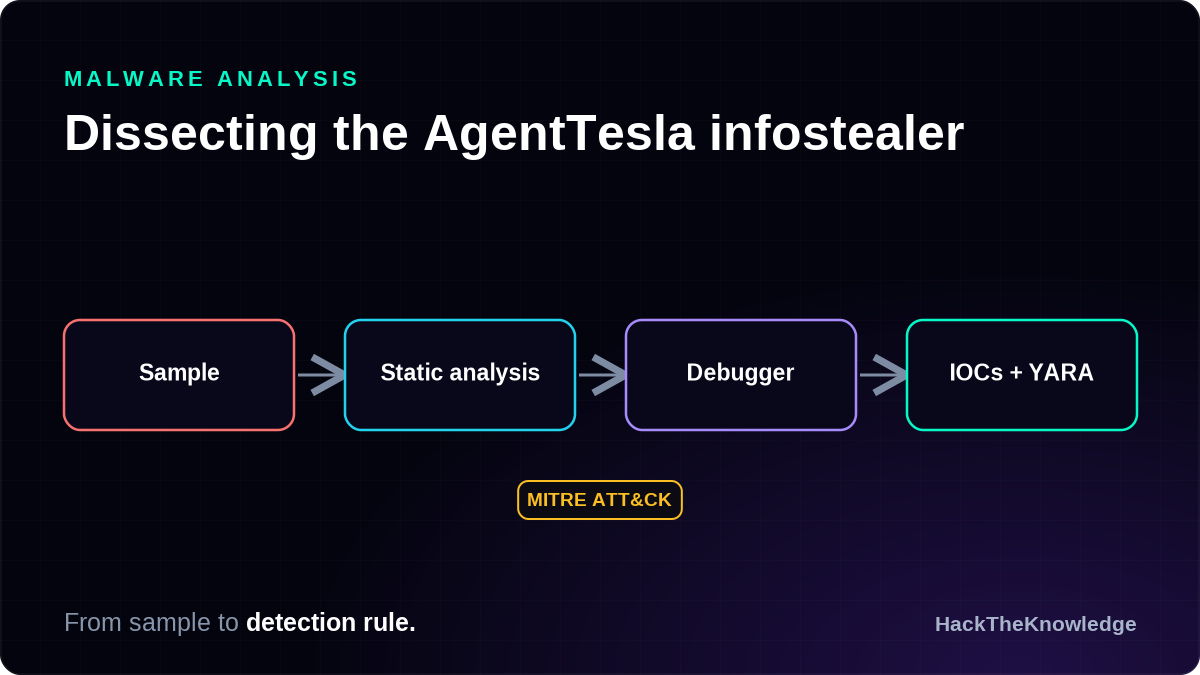
Read moreA complete step-by-step analysis of AgentTesla using PE-Studio, FLOSS, x64dbg, ProcMon, and Wireshark. Includes MITRE ATT&CK mapping and a YARA detection rule.
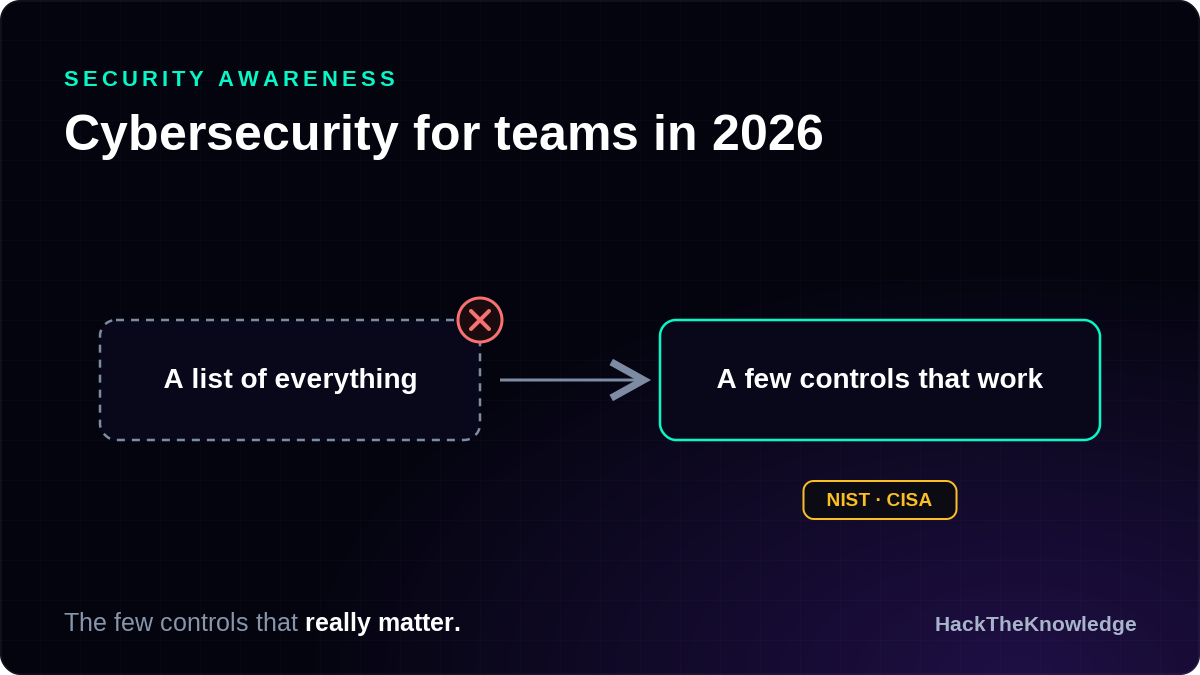
Read moreA practical checklist for organizations that need better day-to-day security hygiene covering phishing resilience, access control, and incident readiness.
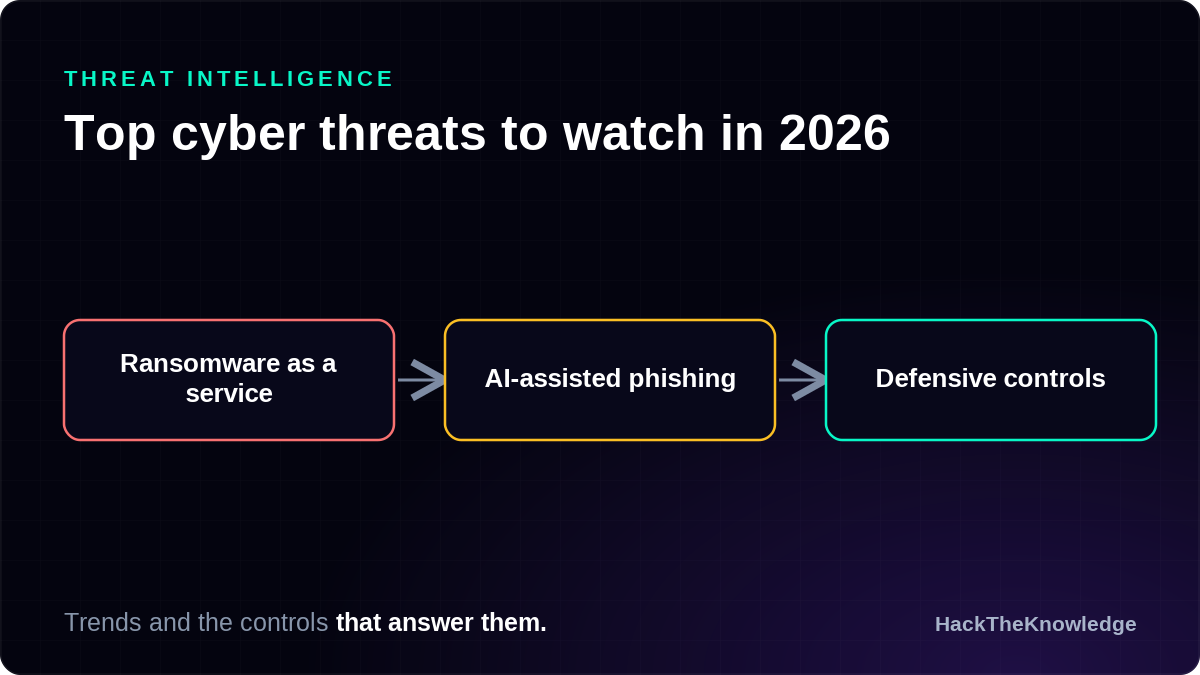
Read moreThreat trends, attacker behavior and the defensive controls that matter most right now, from ransomware-as-a-service to AI-assisted phishing campaigns.
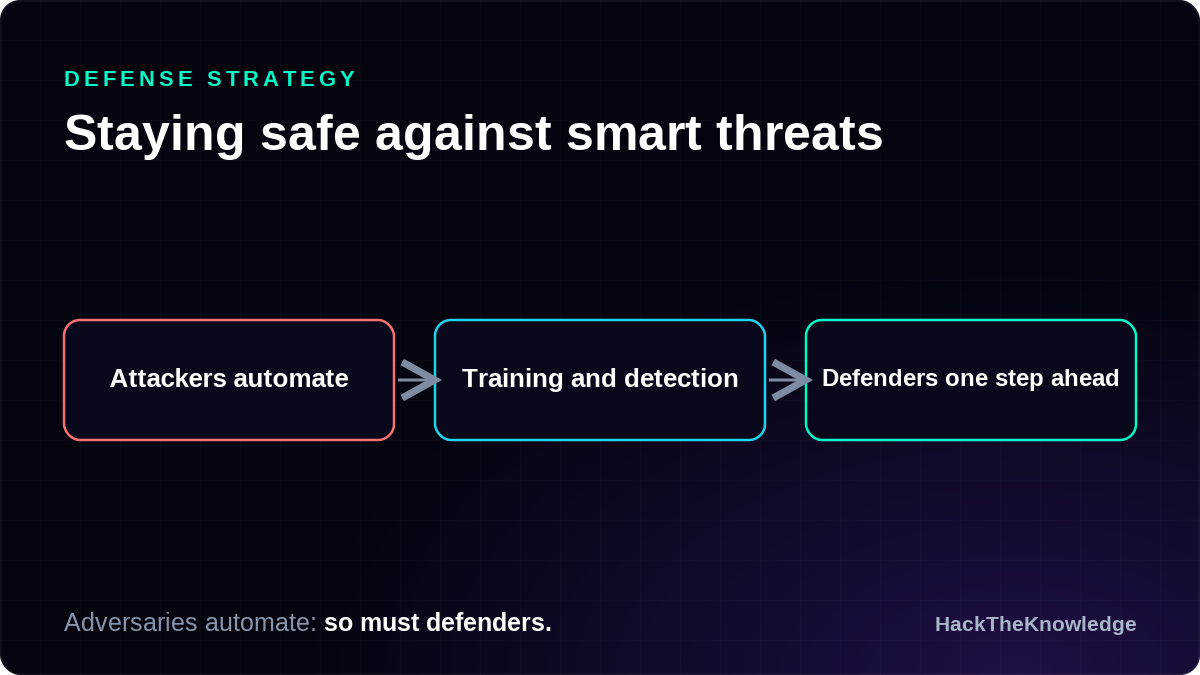
Read moreHow to structure training and detection when adversaries automate faster than ever and what defenders can do to stay ahead of the curve.
Read moreStay sharp
Join our community on Discord to get early access to new guides, lab walkthroughs, and instructor Q&As.